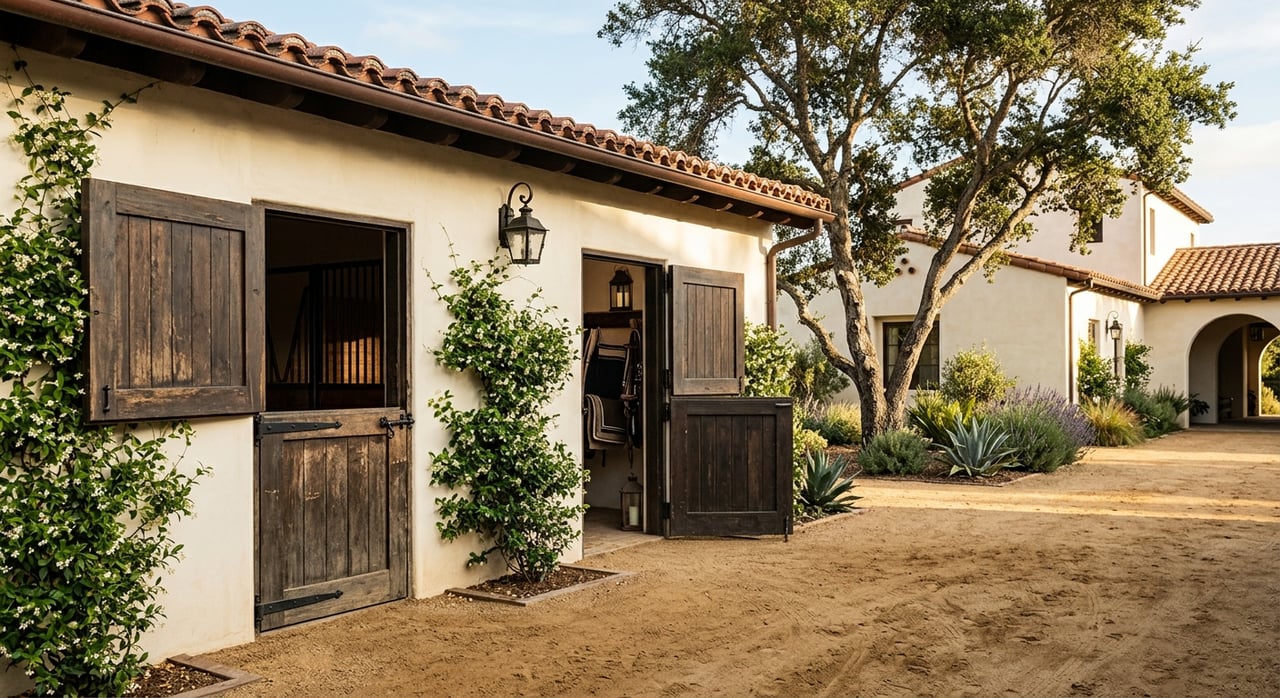
If you are drawn to homes with story, character, and a little more land, San Juan Capistrano stands out in Orange County. This is one of the few places where you can still find historic settings, legacy architecture, and horse-friendly properties within the same city. If you are thinking about buying in this market, understanding how these homes differ can help you avoid surprises and make a smarter move. Let’s dive in.
Why San Juan Capistrano Stands Apart
San Juan Capistrano has a long history tied to Mission-era settlement, ranching, and agriculture. According to the city, that history still shows up in its adobes, ranches, farmhouses, and other legacy structures, along with preserved areas such as the Mission, downtown buildings, Los Rios Street Historic District, and Mission Hill-Mission Flats.
The city also notes that it has 13 sites or districts listed on the National Register of Historic Places. That gives San Juan Capistrano a very different feel from newer planned communities nearby. For you as a buyer, it means the home’s setting, design, and rules around future changes may matter just as much as square footage.
Historic Homes in San Juan Capistrano
What “historic” can mean here
In San Juan Capistrano, historic homes are not limited to one style. The city’s history and design guidance point to a mix of Mission-era adobe influences, vernacular ranch forms, and early 20th-century wood-frame homes, including board-and-batten houses found near older adobe structures in Los Rios.
That blend is part of the appeal. You may see homes with simple massing and wood details, or properties with stucco walls, tile accents, wrought iron, arches, courtyards, and front porches that fit the city’s historic core.
Historic districts and neighborhood context
One of the most recognized areas is the Los Rios Historic District, located north of Del Obispo Street between Los Rios Street and Paseo Adelanto. The city describes it as one of the oldest residential districts in California.
Los Rios is also treated as a sensitive residential area with limited parking and tighter rules for filming and photography. That tells you something important as a buyer: historic areas often have a more delicate neighborhood setting, narrower street patterns, and a context that differs from newer subdivisions.
Typical lot patterns in older areas
Historic-style homes in San Juan Capistrano can sit on very different lot sizes depending on location. In the Mission Residential District, also called MRD-4,000, the city says lots generally range from 4,000 to 7,500 square feet.
That makes this part of town feel more compact and urban in scale than the city’s rural or equestrian areas. If you are comparing an older home near the historic core with a horse property elsewhere in the city, lot size and site layout will likely shape your decision.
What Buyers Should Know About Historic Ownership
Design rules can affect future plans
Owning a historic or historic-style home can come with extra responsibilities. The city distinguishes between historic buildings or sites, historic districts, and sites of distinction, and those categories can affect what you are allowed to do later.
If a property is a designated landmark or historic resource, you do not need city approval just to buy, sell, or lease it. However, the designation should appear in the chain of title, and changes to the property may require more review than a typical home.
Alterations may require added review
If you want to alter, add onto, relocate, or demolish a landmark, the city requires Site Plan Review. For major changes or demolition of a significant structure, city policy can also require photographs, measured drawings, or other documentation before work moves forward.
This does not mean historic ownership is a bad fit. It simply means you should match the property to your goals. If you want a home you can heavily rework right away, you will want to confirm the review process early.
There may be preservation-related benefits
The city says designated landmarks can be eligible for the State Historical Building Code, Mills Act tax relief, and fee waivers for qualifying preservation work. These benefits will not apply to every property, but they can be worth exploring if you are considering a recognized historic resource.
For some buyers, that can help offset the added care that comes with preserving original features. It is one more reason due diligence matters before you commit.
Equestrian Homes in San Juan Capistrano
Where horse keeping is allowed
San Juan Capistrano is known for supporting an equestrian lifestyle, but not every property can legally function the same way. The city’s equestrian standards are designed to support horse keeping while also protecting the natural environment, watershed, and community character.
Horse keeping on individual lots is expressly allowed in Agri-Business, Residential/Agriculture, Hillside Residential, and certain large-lot single-family districts. The code also allows common equestrian facilities in some planned communities and smaller-lot residential districts when trail access is provided.
Trails are part of the picture
The city defines multi-use trails as routes used for equine activity, hiking, and bicycles. For many buyers, trail connectivity is a major part of what makes a horse property practical and enjoyable.
That is why zoning alone is not enough. A parcel may allow horses, but the day-to-day experience can differ greatly depending on access, layout, and nearby trail connections.
Horse Counts, Lot Size, and Permit Rules
How many horses may be allowed
The city code sets a baseline of one equine per 10,000 square feet of lot area, with a minimum of 2,500 square feet for the first horse, including 500 square feet of flat land. The code also states that up to four equines may be kept on parcels of two acres or less without a conditional use permit.
For parcels between two and five acres, up to six equines may be allowed without a conditional use permit. On parcels larger than five acres, up to 10 equines may be allowed without that permit.
When permits may come into play
Commercial equestrian stables require a conditional use permit. The code also applies density limits based on usable acreage and whether the stable has trail access.
For buyers, the key point is simple: do not assume a large lot automatically supports your plans. The number of horses, intended use, and property improvements all need to line up with the current code.
Property Setup Matters as Much as Zoning
Site layout can limit what works
A horse-friendly parcel may still fall short if the land does not support the setup you need. The city’s code highlights practical issues such as setbacks, fencing, buffers, drainage, and the physical accommodation of equestrian uses.
That means a property can look ideal in photos but prove difficult in real life. Barn placement, turnout areas, vehicle access, and the shape of usable land all matter when you evaluate the site.
Commercial stable standards are detailed
For commercial stables, the code requires setbacks of 50 feet from the front yard, 25 feet from the side yard, and five feet from the rear yard. It also requires structures to remain at least 100 feet from property that is used or zoned for residential use.
The ordinance also calls for five-foot fencing that prevents escape, approved roof and enclosure materials, landscaped buffers, approved irrigation, an equestrian emergency plan updated every four years, and ongoing maintenance. Commercial operations must also meet Orange County Environmental Health requirements and keep a valid Animal Control permit.
Even if you are not buying a commercial facility, these rules show how detailed equestrian compliance can be. You want to verify not just whether horses are allowed, but whether the property’s setup fits your intended use.
Due Diligence for Historic Homes
Start with city records
Before making an offer on an older home, the city says buyers should verify whether the parcel appears on the Inventory of Historic and Cultural Landmarks using the city’s Interactive Map. You should also review permit history in the city’s E-Trakit portal.
These two steps can help you spot designations, past work, and possible red flags before you get too far into the process. They are especially useful if a home has obvious additions, conversions, or remodels.
Focus inspections on common older-home issues
Older homes often need a closer look at the basics. Useful inspection targets include foundation movement, roof condition, drainage and grading, termite or pest activity, original windows and trim, plumbing and electrical updates, and signs of unpermitted additions.
If you love character, this part is important. Charm and maintenance often go hand in hand, and you want a clear picture of both before closing.
Due Diligence for Equestrian Properties
Verify the parcel, not just the listing
For horse properties, the most important questions are local and property-specific. The research points to four big ones: whether horses are allowed, how many are allowed, whether a conditional use permit is required, and whether trail access exists.
You should also confirm whether the site can physically accommodate paddocks, stalls, fencing, drainage, buffers, and access roads. A listing description may highlight horse zoning, but only parcel-level review tells you whether the property truly fits your plans.
Check improvements and upkeep
A practical horse-property checklist includes stalls, paddocks, fencing, access roads, water management, manure handling, and trail connectivity. These features shape daily use, maintenance costs, and long-term enjoyment.
The city’s Planning Division is the best local starting point for parcel-specific questions because it reviews projects for compliance with the General Plan, Land Use Code, Architectural Design Guidelines, and California Building Code. Since the city also notes that the municipal code is updated biannually and ordinances can change between updates, it is smart to confirm current rules before relying on online information alone.
Why Local Guidance Matters
San Juan Capistrano offers a rare mix of historic charm and equestrian opportunity, but that uniqueness is exactly why careful guidance matters. These homes are not one-size-fits-all, and the right property for you depends on how you plan to live in it, maintain it, and possibly improve it over time.
Whether you are comparing a compact historic lot near the old town core or a larger parcel with horse potential, a thoughtful buying strategy can help you balance lifestyle, rules, and long-term value. If you want help navigating unique properties in South Orange County, connect with Shannon Parks for responsive, hands-on guidance tailored to your goals.
FAQs
What makes San Juan Capistrano historic homes unique?
- San Juan Capistrano historic homes reflect the city’s Mission-era, ranching, and agricultural roots, with architectural influences that can include adobe forms, vernacular ranch details, and early wood-frame construction.
What is the Los Rios Historic District in San Juan Capistrano?
- The Los Rios Historic District is an older residential area north of Del Obispo Street between Los Rios Street and Paseo Adelanto that the city describes as one of the oldest residential districts in California.
Can you remodel a historic home in San Juan Capistrano?
- You may be able to remodel a historic property, but if it is a designated landmark or historic resource, alterations, additions, relocation, or demolition may require Site Plan Review and added documentation.
How do you check if a San Juan Capistrano home is historically designated?
- You can verify whether a parcel appears on the city’s Inventory of Historic and Cultural Landmarks by using the city’s Interactive Map and reviewing permit history through the E-Trakit portal.
Are horses allowed on residential property in San Juan Capistrano?
- Horses are allowed on individual lots in certain zoning districts, including Agri-Business, Residential/Agriculture, Hillside Residential, and some large-lot single-family districts, subject to city code standards.
How many horses can you keep on a San Juan Capistrano property?
- The city code sets horse counts based on lot size, including a baseline of one equine per 10,000 square feet of lot area, with additional thresholds that allow up to four, six, or 10 equines on larger parcels without a conditional use permit.
What should you inspect on a San Juan Capistrano horse property?
- You should closely review stalls, paddocks, fencing, access roads, water management, manure handling, trail connectivity, and whether the parcel can physically support your intended equestrian use.
Who should buyers contact for San Juan Capistrano property rules?
- For parcel-specific questions, the city’s Planning Division is the best local starting point because it reviews compliance with the General Plan, Land Use Code, Architectural Design Guidelines, and building requirements.