Selling your Laguna Hills home can feel like a big project, especially when you want to make the right updates without wasting time or money. In a market where home values are high and buyers still compare condition, presentation, and price carefully, smart preparation can make a real difference. The good news is that you usually do not need a full remodel to make your home feel more appealing and market-ready. With the right plan, you can improve buyer confidence, reduce surprises, and head into listing day with more peace of mind. Let’s dive in.
Why prep matters in Laguna Hills
Laguna Hills is a high-value market with a strong owner-occupied base. According to U.S. Census QuickFacts, about 70.0% of homes are owner-occupied, and the median value of owner-occupied housing units is $1,012,300. That tells you many buyers are shopping with clear expectations around care, condition, and long-term value.
Recent market data also shows that preparation still matters. Realtor.com’s Laguna Hills market summary reports a median home price of $1.25M and a median 43 days on market, while Orange County’s broader market has a median listing price of $1.338M, 40 median days on market, and a 99% sale-to-list ratio. In other words, this is not a market where you can assume buyers will overlook presentation issues just because prices are strong.
Focus on confidence, not perfection
One of the biggest mistakes sellers make is thinking they need to renovate everything before listing. In most cases, buyers respond more strongly to a home that looks well cared for, clean, bright, and easy to understand than to one packed with expensive upgrades that may not match their taste.
That mindset makes sense in Laguna Hills, where SCAG’s local profile shows a meaningful share of housing built in earlier decades. Many homes can benefit from visible maintenance, light cosmetic refreshes, and organized documentation of condition. If your goal is to sell confidently, your prep plan should prioritize the items buyers notice first.
Start with the highest-impact updates
Before you tackle any major project, focus on the improvements that remove visual friction and help buyers picture daily life in the home. These updates tend to offer the clearest payoff in presentation and buyer comfort.
Improve curb appeal first
Buyers start forming an opinion before they walk through the front door. A tidy exterior, trimmed landscaping, and a clean entry can shape that first impression in a positive way.
Simple steps can go a long way:
- Trim shrubs and trees
- Refresh mulch or gravel where needed
- Sweep walkways and porch areas
- Clean the front door and hardware
- Replace burned-out exterior bulbs
- Store hoses, bins, and loose items out of sight
NAR highlights landscaping and a tidy entry as important staging and presentation elements because they set the tone for the rest of the showing.
Declutter and depersonalize inside
Once buyers step in, they want to read each room quickly. Too much furniture, crowded shelves, and highly personal decor can make spaces feel smaller and distract from the home itself.
Start by removing anything that interrupts flow or makes storage feel limited. Clear counters, simplify wall art, reduce extra seating, and pack away personal collections and overflow items. The goal is not to erase personality completely, but to create a calm, open feel that helps buyers focus on the space.
Deep clean every surface
Cleanliness sends a powerful message about how a home has been maintained. Even attractive homes can lose momentum if buyers notice dust, dingy grout, pet odors, stained carpet, or smudged windows.
Pay close attention to kitchens, bathrooms, baseboards, flooring, and windows. NAR points to deep cleaning, carpet cleaning, and fresh presentation as some of the most useful ways to reduce visual friction before listing.
Use neutral, light-enhancing finishes
If your walls are bold, scuffed, or dated, fresh paint may be one of the smartest updates you can make. Neutral wall colors help spaces feel brighter and let buyers imagine their own style more easily.
Natural light matters too. Open blinds, clean windows, and make sure lighting works consistently throughout the home. According to NAR’s staging guidance, letting in natural light and streamlining decor can help rooms feel more functional and spacious.
Stage the rooms buyers notice most
If you are wondering whether staging is worth it, the best answer is that it often helps buyers visualize the home more clearly. The NAR 2025 staging snapshot found that 83% of buyers’ agents said staging makes it easier for buyers to visualize a property, 29% said it led to a 1% to 10% increase in the dollar value offered, and 49% of sellers’ agents said staging reduced time on market.
Those numbers do not guarantee a specific outcome for your home, but they do support staging as a useful perception tool. If you are going to invest time or money anywhere, focus on the spaces buyers tend to notice most.
Prioritize these key spaces
NAR’s coverage of staging points to three rooms that matter most:
- Living room
- Primary bedroom
- Kitchen
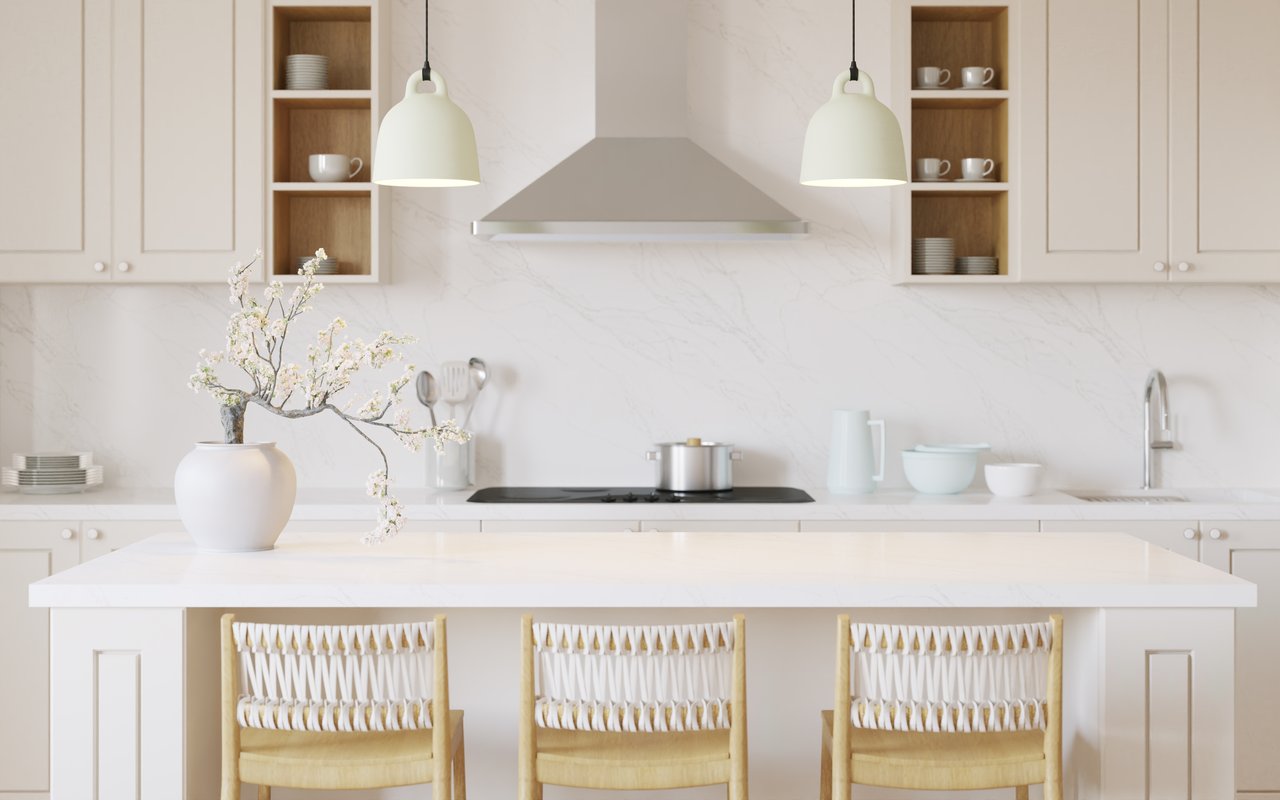
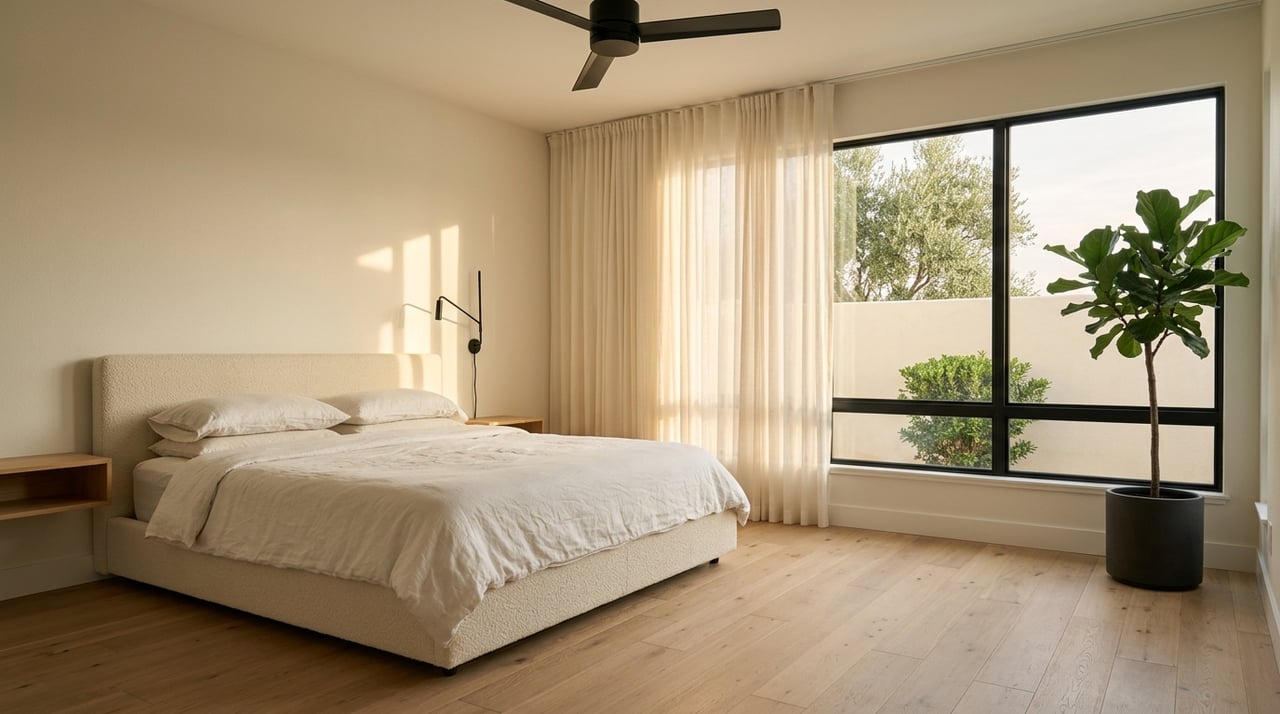
These spaces often shape a buyer’s emotional reaction to the home. Make sure they feel open, bright, clean, and easy to use.
If the home is vacant
Empty rooms can feel smaller and harder to interpret. If your Laguna Hills home will be vacant, partial or virtual staging may help buyers understand layout, scale, and function more easily.
This can be especially useful in online marketing, where photos often shape whether a buyer decides to schedule a showing at all.
Skip the over-renovation trap
It is easy to assume you need to remodel before listing, especially in a market with higher price points. But if you plan to sell soon, major discretionary projects may not be the best use of time.
The stronger case from the research is for visible condition, tidiness, maintenance, and buyer visualization rather than full-scale upgrades. Instead of replacing everything, ask which improvements help the home feel cared for, functional, and move-in ready. In many cases, a clean, well-presented home with light updates will serve you better than a rushed renovation.
Handle repairs before they become negotiation problems
When buyers tour a home, they are not just reacting to style. They are also looking for clues about maintenance and possible future costs. That is why functional and safety-related repairs should come before cosmetic wish lists.
According to NAR’s consumer guide to home inspections, common inspection findings include:
- Structural or foundation issues
- Improper drainage
- Faulty wiring
- HVAC problems
- Safety concerns such as too few smoke or carbon monoxide detectors
You do not need to panic over every item, but you should address or document anything that could raise concern during escrow. The basic rule is simple: fix the issues most likely to affect buyer confidence, safety, or negotiations.
Consider a pre-listing inspection
A pre-listing inspection is not required, but it can be a smart move if you want fewer surprises later. NAR explains that sellers may choose one to learn more about the property upfront, control repairs, and prepare for buyer negotiations.
For many sellers, that early information creates a smoother process. You can decide what to repair, what to disclose, and how to price and position the home with clearer expectations. It can also help prevent last-minute scrambling after a buyer’s inspection report arrives.
Get disclosure paperwork organized early
In California, disclosure preparation is a major part of selling confidently. If you wait until escrow to gather documents and think through known issues, the process can feel rushed and more stressful than it needs to be.
The California Department of Real Estate booklet explains that sellers of most residential one-to-four unit properties must provide a Real Estate Transfer Disclosure Statement, also called a TDS. The TDS should include environmental hazards the seller knows about, such as asbestos, radon gas, lead-based paint, formaldehyde, and fuel or chemical storage tanks.
The same DRE guidance also explains that the TDS is not a warranty and not a substitute for inspections or warranties. It is simply one of the key documents used to communicate known facts about the property.
Do not leave hazard disclosures until the end
The Natural Hazard Disclosure Statement covers mapped hazard zones such as wildland fire, earthquake fault, and seismic hazard zones. While this is a routine part of many California transactions, it is still helpful to gather and review the paperwork early.
If required disclosure is delivered after an offer or purchase agreement is signed, the buyer may have three days after in-person delivery or five days after mail delivery to terminate, according to the DRE booklet. Early organization can help reduce delays and keep the transaction moving more smoothly.
Known material facts still matter
The DRE also states that brokers and agents must perform a reasonably competent and diligent visual inspection and disclose material facts affecting value, desirability, and intended use that are not obvious from that inspection. For you as a seller, that reinforces the value of being organized and upfront.
When you know the home’s condition and have your information ready, it becomes easier to answer buyer questions clearly and avoid avoidable surprises.
A simple prep plan for Laguna Hills sellers
If you want a practical path forward, keep your pre-listing plan focused on the basics that buyers notice most and that tend to support smoother negotiations.
Your seller prep checklist
- Clean up the front yard and entry
- Declutter and simplify each room
- Deep clean the entire home
- Touch up paint and brighten dark spaces
- Stage the living room, primary bedroom, and kitchen
- Handle visible maintenance and safety items
- Consider a pre-listing inspection
- Gather disclosure information early
This kind of plan can help your home feel more move-in ready, support stronger buyer confidence, and reduce the odds of deal-killing surprises.
Sell with a clear strategy
Preparing your Laguna Hills home to sell confidently is not about chasing perfection. It is about making smart, focused decisions that help buyers see the value of your home and feel comfortable moving forward.
With thoughtful presentation, targeted repairs, early inspection planning, and organized disclosures, you can enter the market with more clarity and less stress. If you are thinking about selling in Laguna Hills and want a local, hands-on strategy tailored to your home, connect with Shannon Parks for personalized guidance.
FAQs
What repairs should I make before selling a Laguna Hills home?
- Focus first on visible, functional, and safety-related issues such as drainage concerns, wiring problems, HVAC issues, and missing smoke or carbon monoxide detectors, since these are the kinds of items that can affect buyer confidence and inspection negotiations.
Is staging worth it when selling a home in Laguna Hills?
- Staging often helps buyers visualize the home more easily and may improve perceived value or reduce time on market, especially in the living room, primary bedroom, and kitchen, though results vary by property and market.
Should I get a pre-listing inspection before selling in California?
- A pre-listing inspection is not required, but it can help you understand the home’s condition early, choose repairs more strategically, and prepare for buyer questions and negotiations.
What disclosures do California home sellers need to prepare?
- Sellers of most residential one-to-four unit properties need to provide a Real Estate Transfer Disclosure Statement, and transactions may also include natural hazard disclosures plus disclosure of known material facts affecting the property.
Do I need to remodel my Laguna Hills home before listing it?
- Usually not. For many sellers, light cosmetic updates, strong cleaning, decluttering, staging, and clear maintenance records are more helpful than major last-minute renovations.