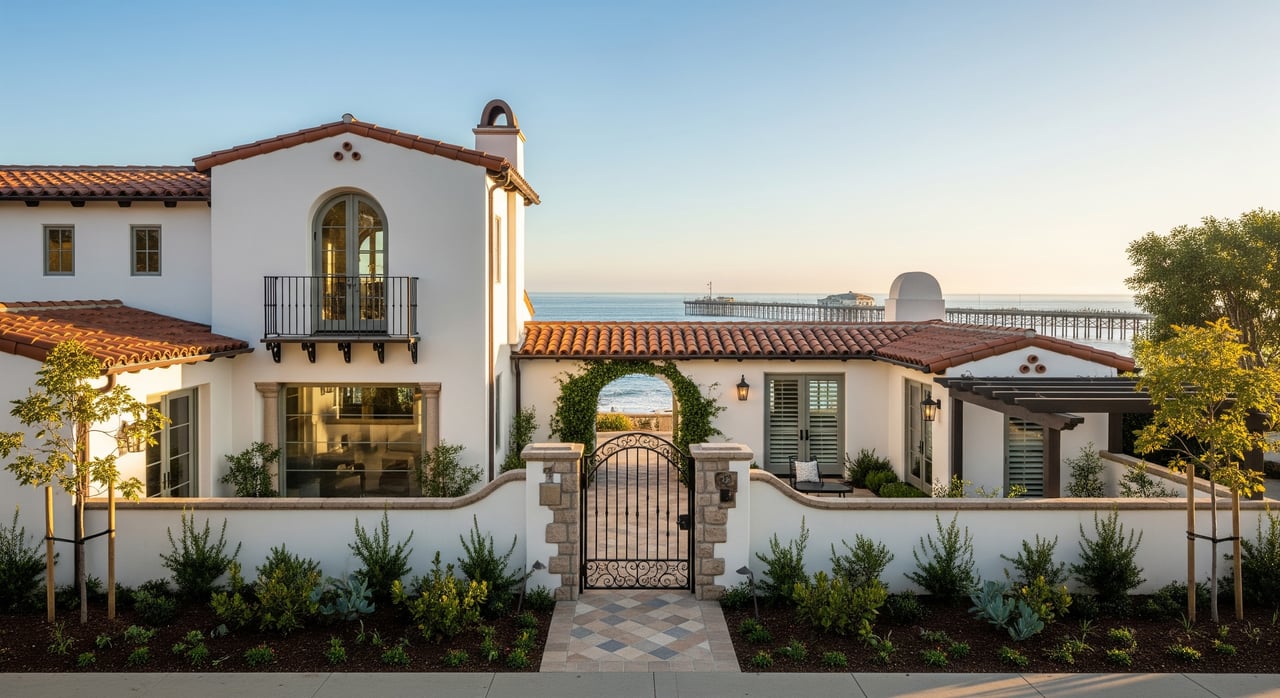
Thinking about renting your San Clemente home to guests for a few nights or weeks? The rules here are specific, and getting them right protects your investment and your peace of mind. In this guide, you’ll learn where short‑term rentals are allowed, which permits you need, how taxes work, and what to do next. Let’s dive in.
San Clemente STRs at a glance
- Permit: A City of San Clemente Short‑Term Lodging Unit (STLU) operating license is required to host guests in non‑hotel properties. Start with the city’s official STLU page and application checklist. (City STLU page)
- Where allowed: STRs are permitted only in designated areas. Check your parcel on the city’s interactive STLU overlay map. (STLU overlay map)
- Application fee: The city lists a $105 non‑refundable application fee. Confirm the current fee with the city before you apply. (City STLU page)
- Neighbor notice: After conditional approval, you must notify property owners within 300 feet and submit certification within 30 days. (City STLU page)
- Taxes: The Transient Occupancy Tax (TOT) is 10% of guest charges. Returns are filed quarterly, and some longer stays may be exempt. (City TOT page)
- Parking: You must provide legal off‑street parking on the property. The city’s sample site plan references 9' x 19' minimum stall dimensions. (Sample site plan PDF)
Where STRs are allowed
Not every residential area in San Clemente permits short‑term rentals. Before you do anything else, confirm your address is eligible.
- Use the city’s interactive STLU overlay map to check your parcel.
- If your property is in a common interest community, review your HOA rules. The city requires written HOA approval when applicable.
- Note that San Clemente uses the STLU license for most individual vacation homes. Some apartment‑style rentals have been treated differently in the past. Always follow the current definitions and conditions in the city’s application materials.
Permits and how to apply
You must secure an STLU operating license before hosting. The city provides clear steps and forms on its STLU page.
Step 1: Confirm eligibility
- Verify your parcel in the STLU overlay map.
- Obtain HOA approval if your property is governed by an HOA.
Step 2: Prepare your packet
Common items include:
- Completed STLU application form.
- Site plan showing bedrooms, bathrooms, and layout.
- Photographs or a diagram of legal off‑street parking spaces on site. The sample site plan cites 9' x 19' minimum stall dimensions. (Sample site plan PDF)
- A fee schedule showing your rates.
- Application fee. The city lists $105, and you should verify the current amount.
Step 3: Submit and complete neighbor notice
- Submit your application to the City’s Business License/Planning counter.
- After conditional approval, you have 30 days to notify property owners within 300 feet and return the Neighboring Property Notification/Certification. The license is issued after the city receives that certification. (City STLU page)
Operating rules you must follow
Once licensed, you take on ongoing responsibilities that protect guests, neighbors, and your business.
Transient Occupancy Tax (TOT)
- The TOT rate is 10% of guest charges. The taxable base generally includes rent and typical fees like cleaning or key charges.
- File returns quarterly within 30 days after each quarter. The city also provides a long‑stay exemption form for continuous stays of 29 days or longer when applicable. (City TOT page)
Parking and occupancy
- Provide legal off‑street parking on your property. Follow the city’s parking standards shown in the sample site plan materials. (Sample site plan PDF)
- Some occupancy and operating conditions relate to parking and location. Always follow the current conditions in your license and overlay area.
Local contact and responsiveness
- List a local contact or property manager who can respond to issues. You are expected to address complaints quickly and follow city nuisance, noise, and trash rules. Check your license conditions for response requirements. (City STLU page)
Advertising and price transparency
- California AB 2202 requires that the total price a guest pays, including taxes and fees, is shown before booking. Make sure your listings display the full price in compliance with state law. (AB 2202 summary)
Enforcement and risks
San Clemente actively enforces its STR rules. Operating without an STLU license or failing to follow conditions can lead to enforcement actions, fines, tax liabilities, and orders to stop operating. For the latest enforcement policies, penalty amounts, and compliance guidance, contact the city through the official STLU page.
Tips for buyers and sellers
If you are buying with STR in mind, confirm eligibility early. Check the overlay map, review HOA rules, and understand the application steps and taxes. If you already own in an eligible area, gather documents like site plans and parking diagrams before you apply.
If you are selling a property currently used as a short‑term rental, keep records organized. Have your STLU license information, neighbor notice certification, and TOT filings handy so buyers can evaluate compliance. A transparent file builds confidence and helps your sale go smoothly.
Getting started checklist
- Check your parcel in the STLU overlay map.
- Review your HOA’s rules and obtain written approval if required.
- Download the application and gather a site plan, parking documentation, photos, and a fee schedule. (City STLU page)
- Submit your application and fee, then complete neighbor notification within 30 days of conditional approval.
- Set up your tax process and calendar for quarterly TOT filings. (City TOT page)
- Prepare guest house rules and a plan for quick response to any issues.
Ready to evaluate a San Clemente property for short‑term rental potential or prep your home for market? Reach out to Shannon Parks for local guidance tailored to your goals.
FAQs
Are short‑term rentals legal in San Clemente?
- Yes, if you obtain a City STLU operating license and your property lies within the permitted overlay areas shown on the city’s STLU map.
How much is the San Clemente lodging tax on STRs?
- The Transient Occupancy Tax is 10% of guest charges, with quarterly returns due to the city’s Finance department.
Do I need HOA approval for a San Clemente STR?
- If your property is governed by an HOA, the city requires written HOA approval as part of the application packet.
Can I list on a booking platform before getting licensed?
- You should secure your STLU license first, then comply with city rules and collect and remit TOT when you begin hosting.
What stays qualify for the TOT long‑stay exemption?
- Continuous stays of 29 days or longer may qualify when documented on the city’s exemption form and submitted with your quarterly return.